Did you know that children as young as three can understand basic environmental concepts? Research shows that early exposure to nature-based learning fosters a lifelong sense of responsibility toward the planet. But how do we transform abstract issues like climate change, deforestation, and pollution into stories children can relate to?
Storytelling has always been humanity’s most powerful teaching tool. From fables to modern picture books, narratives shape values and inspire action. In this expert roundup, we explore books that go beyond entertainment, offering young readers a blueprint for change. After all, as Margaret Mead once said, “Never doubt that a small group of thoughtful, committed citizens can change the world.”
The Lorax Speaks Up for Nature
One great book that teaches kids about taking care of the environment is “The Lorax” by Dr. Seuss. From my experience, this story helps children see why nature matters and what happens when people don’t take care of it. The Lorax speaks up for the trees, warning about the dangers of cutting them down, but the Once-ler doesn’t listen. As more trees disappear, the air and water become polluted, and animals leave because they have no home. I believe the book’s fun rhymes and bright pictures make it easy for kids to understand that our actions affect the world around us.
What I love about this story is how it teaches kids that even small choices make a difference. Simple things like picking up trash, planting flowers, or using less plastic can help protect nature. The ending, where one little seed offers hope for the future, shows that it’s never too late to make things better. From my experience, reading this book as a family leads to great conversations about how we can take better care of our planet. Kids start to notice things in their own lives, like turning off lights or recycling, and they feel excited to help.
Cory Arsic, Founder, Canadian Parent
The Great Kapok Tree Teaches Empathy
I’m always on the lookout for creative ways to introduce kids to sustainability. One of the most unique children’s books on environmental conservation is “The Great Kapok Tree” by Lynne Cherry. It doesn’t just explain conservation—it immerses kids in the Amazon Rainforest through beautiful illustrations and a story that makes them feel personally connected to nature. Unlike typical books about recycling or pollution, this one brings the ecosystem to life by giving animals a voice and showing why every tree matters.
What makes this book stand out is how it teaches empathy. Instead of facts and statistics, kids hear directly from the creatures that rely on the rainforest for survival. A sleeping man, about to cut down a massive kapok tree, is visited by different animals who explain why the tree is crucial to their home. When he wakes up, he has a choice—chop it down or walk away. That moment sticks with kids because it mirrors real-life decisions about the environment.
Zarina Bahadur, CEO and Founder, 123 Baby Box
Books That Teach Sustainability
There are several books focused on sustainability that can be quite enlightening and entertaining for children. Here are some of my personal recommendations:
1. “Not Your Typical Book About the Environment” by Elin Kelsey: It presents sustainability in a fun, relatable way, focusing on positive, everyday actions.
2. “10 Things I Can Do to Help My World” by Melanie Walsh: This is a sort of practical guide for kids on simple things they can do to be more sustainable.
3. “Old Enough to Save the Planet” by Loll Kirby: Showcases real stories of children around the world who are making a difference in sustainability.
Josh Prigge, Company Owner, Sustridge
Compost Stew Invites Action Through Play
When it comes to teaching kids about the environment, I look for books that create a lasting impression through curiosity, not instruction.
One book that surprised me with how deeply it landed is “Compost Stew: An A to Z Recipe for the Earth” by Mary McKenna Siddals. It sounds simple, but the beauty is in how specific and grounded it is. Kids love learning what they can throw into compost—a banana peel, eggshells, even dog hair—and suddenly they’re inspecting every bit of waste in the house like detectives.
I watched a group of eight-year-olds read this and immediately start a mini-compost bin using things they’d usually toss in the trash. The book doesn’t lecture—it invites action through play, which is exactly how transformation starts.
Adam Klein, Certified Integral Coach® and Managing Director, New Ventures West
The Tantrum That Saved the World Empowers Kids
Most children’s books about environmental conservation focus on saving trees, recycling, or turning off the lights—important but predictable messages. “The Tantrum That Saved the World” by Megan Herbert and Michael E. Mann does something different. It doesn’t just teach kids about climate change; it gives them a sense of power.
At its core, this book is about agency—showing kids that they don’t have to wait for adults or governments to “fix things.” The story follows a young girl who, like many of us, feels overwhelmed by the environmental crisis. But instead of giving up, she channels her frustration into action. Along the way, she meets people from around the world who are affected by climate change in different ways—climate refugees, farmers dealing with drought, islanders watching their homes disappear.
What makes this book stand out is that it doesn’t sugarcoat reality. It’s bold. It respects kids’ intelligence by showing them real-world consequences but balances that with a sense of empowerment. The illustrations are dynamic, the storytelling is energetic, and by the end, children aren’t just left with information—they’re left with a mission.
And here’s the kicker: the book includes a real-life action plan at the end. It’s not just a story—it’s a blueprint for young activists.
Over the next decade, the biggest challenge in environmental education won’t be just making kids “aware” of the problem—it will be giving them tools to act. “The Tantrum That Saved the World” is ahead of the curve. It’s not just another “be nice to the planet” book. It’s a call to arms for the next generation of changemakers.
Derek Pankaew, CEO & Founder, Listening.com
Curious George Learns About Reforestation
“Curious George Plants a Tree” introduces kids to conservation without making it complicated. The story follows George as he learns about reforestation and how planting trees helps clean the air. It covers topics like pollution, deforestation, and sustainability, but keeps things simple. Since George is always getting into trouble, kids stay entertained while picking up valuable lessons. The book even includes practical tips on how families can help the environment, which makes it more than just a story.
This book works well for kids between three and six. The bright illustrations and playful tone keep young readers engaged. Parents who want to reinforce the message can take it a step further. Planting a small tree together or starting a home recycling project makes the lesson stick. Honestly, when kids feel involved, they care more. That’s the best way to teach conservation—through action, not just words.
James McNally, Managing Director, SDVH [Self Drive Vehicle Hire]
The Magic School Bus Explains Recycling
“The Magic School Bus Gets Recycled” teaches kids about waste management in a way that actually makes sense. Ms. Frizzle takes her students on a trip through a recycling plant, showing how old materials turn into new products. The book explains why recycling matters and how small actions—like sorting trash properly—help the environment. Kids see the full process, from collection to transformation, which makes them think differently about what they throw away. Honestly, it’s a great way to make recycling feel less like a chore and more like an adventure.
Parents who want their kids to develop eco-friendly habits will appreciate this book. The story keeps things light while packing in real-world lessons. It works best for kids aged five to eight, but even younger readers enjoy the colorful pages. On top of that, the book encourages hands-on learning. After reading, kids might want to set up their own recycling bins or find creative ways to reuse materials. Learning through storytelling always works better than just telling kids to “be responsible.”
Renato Fernandes, Clinical Nutritionist, Saude Pulso
Redwall Series Emphasizes Courage and Kindness
One hidden gem is the “Redwall” series by Brian Jacques. These books transport readers into an imaginative world of woodland creatures with tales of heroism, loyalty, and community. The detailed descriptions of feasts, songs, and traditions add charm for kids, while adults can enjoy the intricacy of the lore and moral undertones. The narratives emphasize courage and kindness, which resonate across ages.
It’s a series that’s as much about storytelling as it is about values, making it a wonderful shared experience. Families can take turns voicing characters or discussing the importance of protecting one’s community, which ties in beautifully with themes of stewardship and care. It’s a timeless classic with heart.
Jehann Biggs, President & Owner, In2Green
The Adventures of a Plastic Bottle Teaches Recycling
In my opinion, “The Adventures of a Plastic Bottle” by Alison Inches is a very good book in the following category. This story is all about a plastic bottle’s journey from use to disposal and recycling, helping kids understand the life cycle of plastic and the significance of recycling in reducing waste and pollution.
Summaiya Nisar, VP, Marketing, Sympl Energy
We’d love to hear from you!
What did you think about this article? Share your thoughts in the comments below!
- What’s one idea from this article that inspired you the most?
- How will you try this in your own family adventures?
- Do you have any fun tips or experiences to add to the quest?
Let’s keep the conversation going! 🌟
About Noah’s Quest® Insights
Hey there, friends! This is 11-year-old Noah from the book of Sev Emanuel Pretila, Noah’s Quest®. Welcome to Noah’s Quest® Insights! This is the spot where super-smart grown-ups (and some pretty cool kids with adult help) share their best ideas to make family time extra special. Think of it like a treasure map packed with all kinds of ways to have fun, learn new things, and go on big adventures—together! Whether it’s finding your next favorite book, making something awesome, or just discovering cool ways to connect, Noah’s Quest® Insights is here to help.
Every article is made for families with kids 12 and under, just like me, and it’s all about making life more fun, creative, and full of wholesome adventure. So grab your imagination, your adult (if you’re a kid like me), and let’s go exploring!
Read my story, too!

Did you know that before the Noah’s Quest and Friends Fave Book Award, the blog, or the awards program, there was a book all about me? Yup, I’m the main character in an awesome story by Sev Emanuel Pretila! It’s called Noah’s Quest. If you’re curious about how it all began and want to read my adventure, you’ve got to check it out. You’ll love it—I pinky promise! Adventure is waiting! Visit the About the Book page to get started.
– Noah from Noah’s Quest by Sev Emanuel Pretila
P.S. The book is just 99 cents on Amazon today! Hurry! Check it out here. Thanks!
Helpful Shortcuts
- About Noah’s Quest®
- About the Book: Noah’s Quest® by Sev Emanuel Pretila
- Blog
- Contact Us
- Friends of Noah’s Quest®
- Making a Difference
- News
- Noah’s Quest® and Friends Blog
- Noah’s Quest® Interviews
- Noah’s Quest® Merch
- Noah’s Quest® Privacy Policy, Terms of Service, and Disclaimer (Version for Adults)
- Noah’s Quest® Review Requests
- Noah’s Quest® Terms of Service
- Noah’s Quest® Website Disclaimer
- Noah’s Quest® and Friends Fave Books Award
- Noah’s Quest® Insights
- Noah’s Quest® Privacy Policy
- Noah’s Quest® Review Policy
- Subscribe to Noah’s Quest®
- Testimonials
Recommended Reads

Principles and Mindsets for Guiding Children Through Uncertainty and New Adventures
What if not knowing was your child’s secret superpower, not a flaw? This roundup explores how educators and leaders rethink uncertainty—and invites you to discover why by reading on inside.
Keep reading
New Year Stories or Themes Teaching Children Goal-Setting, Kindness, and New Beginnings
Ever wonder why kids love drawing their goals or acting out stories? Find out how small steps, peer cheer, and creative play can actually help kids succeed in real life.
Keep reading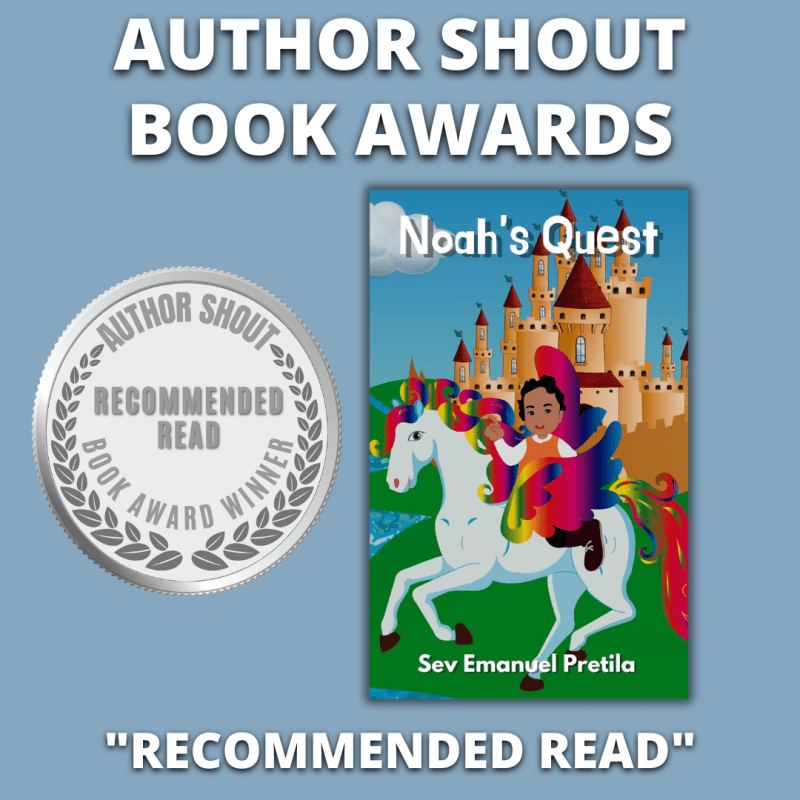
Noah’s Quest® is a 7th Annual Author Shout Book Awards Recommended Read Winner
Noah’s Quest® by Sev Emanuel Pretila has been recognized as a 7th Annual Author Shout Book Awards Recommended Read Winner, an honor that highlights its compelling storytelling and literary quality.
Keep readingSomething went wrong. Please refresh the page and/or try again.
Discover more from Noah's Quest®
Subscribe to get the latest posts sent to your email.
 Noah's Quest®