Growing up can be like staring at a massive mountain: you can see the trail, but you don’t know where to begin. Young children learn best when they are shown clear, manageable steps that increase their self-assurance and comprehension. According to research, one way to increase interest and empathy is to break down large activities into smaller ones and then celebrate each one. The concrete nature of concepts like kindness and problem-solving may be brought to life via stories, art, and music, providing youngsters with a safe space to experiment. A child’s likelihood of trying again after making a mistake increases when they see their classmates encouraging one another or when they see their progress recorded. Learning may be meaningful, enjoyable, and long-lasting when youngsters are able to break down large problems into smaller, more manageable ones. This collection of stories and ideas from experts in the field can assist.
Peer Support And Small Targets Drive Engagement
Stories like ‘Dream Builders Academy’ click with kids learning about goals. In my language classes, I’ve seen that when kids set their own small targets and we celebrate each step, they get invested. The part where students cheer for each other is exactly what I see in my multicultural classrooms. That’s what actually keeps them going.
Yoan Amselem, Managing Director, German Cultural Association of Hong Kong
——————————————-
Small Steps After Failure Motivate Kids
My kids respond best to stories where characters try something new and fail. A story about a kid learning to bake who messes up but then breaks the process into small steps really hits home. My children get that kind of struggle and feel motivated by the progress. These step-by-step journeys are more powerful than instant success tales because they reflect how things actually happen in real life.
Bennett Maxwell, CEO, Franchise KI
——————————————-
Simple Tools Help Kids Practice Kindness
I’ve worked with kids in mental health for years, and I’ve noticed something simple works best. When children make a kindness calendar for January or color while we talk, they actually open up about trying new things. It’s not about being perfect – it’s about doing one small thing differently. That’s what gets them talking about being kinder to themselves and others.
Aja Chavez, Executive Director, Mission Prep Healthcare
——————————————-
New Home Stories Teach Manageable Steps
I’ve noticed stories about moving to a new home click with kids, especially when they’re facing a big change themselves. They learn from characters who tackle small things, like organizing their new room or saying hi to a neighbor. These stories feel more real than fairy tales and show kids actual steps they can take. Showing them these small, positive steps helps them handle new situations without getting overwhelmed.
Brandi Simon, Owner, TX Home Buying Pros
——————————————-
Emotion-Focused Goals Spark Conversations About Kindness
Working with kids, I’ve noticed something. A story like ‘The Emotion Detective’s Resolution,’ where a character thinks about their feelings and sets New Year’s goals, always gets them talking. Suddenly they’re asking about kindness and sharing their own ideas about what they want to change. It connects setting goals with being kind to yourself, and that kind of understanding seems to stick with them.
Amy Mosset, CEO, Interactive Counselling
——————————————-
Small Habits And Adapted Kindness Build Success
As an educator, stories for the new year that will resonate with young children are those about small beginnings or changes that children can see and touch. “Success” becomes a compelling story when there’s a child who decides to focus on one thing, try it every day and gain strength through the effort. Children are all about routines, not resolutions. Maybe they learn that goals are choices you make over and over.
Adapted kindness is the MOST POWERFUL form of kindness. A story about kindness that springs from a small moment can remind children that new beginnings require attention, not perfection. Have children choose one small habit to start in the New Year, and have them illustrate or discuss it. This fosters a sense of confidence, growing empathy, and trusting their instincts in their capacity to develop.
Mandi Jackson-Zielinski, Lead Educator and CEO of Multisori
——————————————-
Music And Art Guide Families Toward Kindness
I blend music and art to help kids relax and get creative. I once saw a group of kids get really quiet, coloring their hopes while soft music played. It gave them a moment to breathe and think about what they wanted next. Making these little goal pages is an easy way for kids to start thinking about kindness. It works best as a family activity, so everyone’s hopes can grow together.
Vasco Lourenço, Owner, Colorful Sunday
——————————————-
Written Wins Fuel Kids’ New Goals
I’ve found kids do best with stories that help them sort through their own goals, kind of like what we do with ReelRecall. ‘The Memory Keeper’s New Chapter’ works great because it gets kids to collect important moments and look them over later. When children see their own small wins or kind acts written down, they get fired up to tackle new challenges. Let kids make these stories their own – that’s when it sticks and becomes something they actually do.
Nick Rogers, CEO, ReelRecall.ai
——————————————-
Kindness Algorithm Turns Choices Into Insight
Kids really learn by doing, not just by being told. The Kindness Algorithm works because it turns kindness into a simple program. Kids choose an action, see what happens, and can try again. It’s like a game. Asking them to predict what might happen if they share instead of keep something for themselves makes the whole idea click.
Bell Chen, Founder and CEO, Superpencil (Enlighten Animation Labs)
——————————————-
Small Goals And Visuals Hook Young Readers
When I write for kids, I’ve found they love stories where a character sets a small, achievable goal and goes through the whole thing, including the little mess-ups. They get invested when they see the character struggle and then finally succeed. Letting them draw their own goals or some other creative interaction helps them picture their own possibilities. Keeping it simple and visual works best.
Juri Korotenkich, Admin, YM-Graphix
We’d love to hear from you!
What did you think about this article? Share your thoughts in the comments below!
- What’s one idea from this article that inspired you the most?
- How will you try this in your own family adventures?
- Do you have any fun tips or experiences to add to the quest?
Let’s keep the conversation going! 🌟
About Noah’s Quest® Insights
Hey there, friends! This is 11-year-old Noah from the book of Sev Emanuel Pretila, Noah’s Quest®. Welcome to Noah’s Quest® Insights! This is the spot where super-smart grown-ups (and some pretty cool kids with adult help) share their best ideas to make family time extra special. Think of it like a treasure map packed with all kinds of ways to have fun, learn new things, and go on big adventures—together! Whether it’s finding your next favorite book, making something awesome, or just discovering cool ways to connect, Noah’s Quest® Insights is here to help.
Every article is made for families with kids 12 and under, just like me, and it’s all about making life more fun, creative, and full of wholesome adventure. So grab your imagination, your adult (if you’re a kid like me), and let’s go exploring!
Read my story, too!

Did you know that before the Noah’s Quest and Friends Fave Book Award, the blog, or the awards program, there was a book all about me? Yup, I’m the main character in an awesome story by Sev Emanuel Pretila! It’s called Noah’s Quest. If you’re curious about how it all began and want to read my adventure, you’ve got to check it out. You’ll love it—I pinky promise! Adventure is waiting! Visit the About the Book page to get started.
– Noah from Noah’s Quest by Sev Emanuel Pretila
P.S. The book is just 99 cents on Amazon today! Hurry! Check it out here. Thanks!
Helpful Shortcuts
- About Noah’s Quest®
- About the Book: Noah’s Quest® by Sev Emanuel Pretila
- Blog
- Contact Us
- Friends of Noah’s Quest®
- Making a Difference
- News
- Noah’s Quest® and Friends Blog
- Noah’s Quest® Interviews
- Noah’s Quest® Merch
- Noah’s Quest® Privacy Policy, Terms of Service, and Disclaimer (Version for Adults)
- Noah’s Quest® Review Requests
- Noah’s Quest® Terms of Service
- Noah’s Quest® Website Disclaimer
- Noah’s Quest® and Friends Fave Books Award
- Noah’s Quest® Insights
- Noah’s Quest® Privacy Policy
- Noah’s Quest® Review Policy
- Subscribe to Noah’s Quest®
- Testimonials
Recommended Reads

Principles and Mindsets for Guiding Children Through Uncertainty and New Adventures
What if not knowing was your child’s secret superpower, not a flaw? This roundup explores how educators and leaders rethink uncertainty—and invites you to discover why by reading on inside.
Keep reading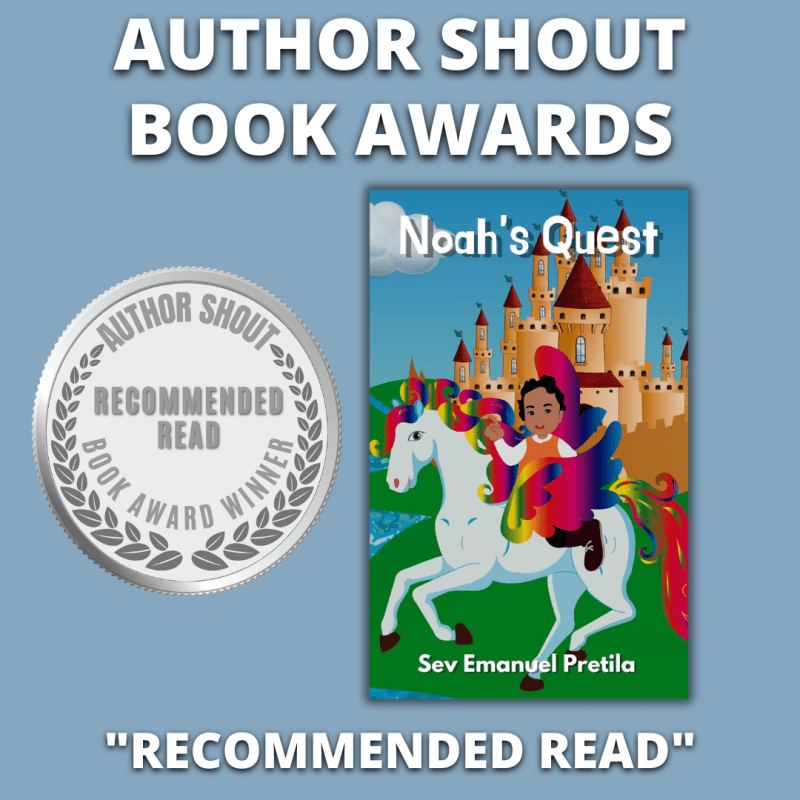
Noah’s Quest® is a 7th Annual Author Shout Book Awards Recommended Read Winner
Noah’s Quest® by Sev Emanuel Pretila has been recognized as a 7th Annual Author Shout Book Awards Recommended Read Winner, an honor that highlights its compelling storytelling and literary quality.
Keep reading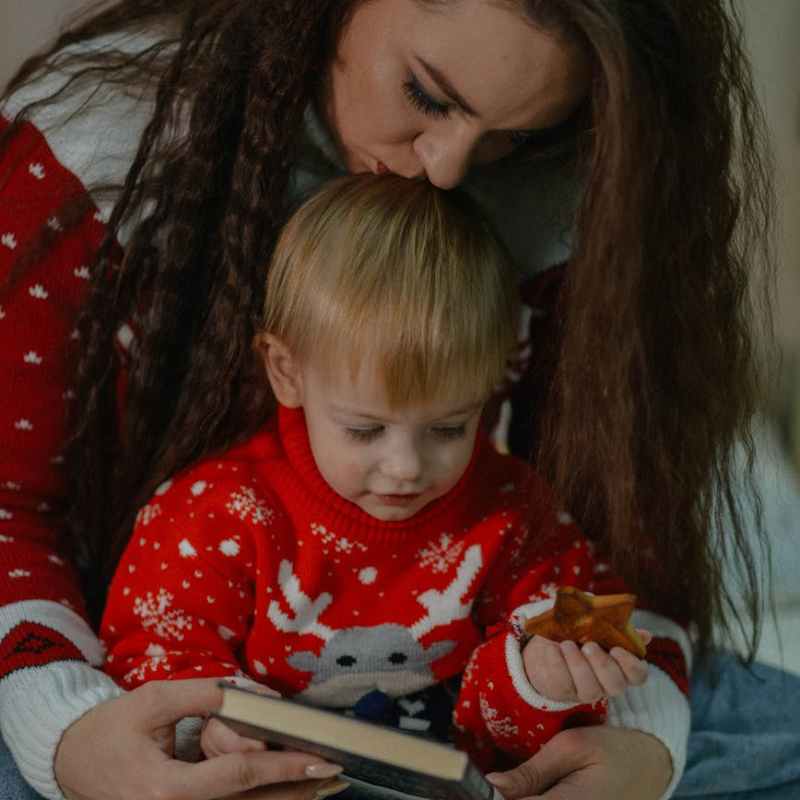
Why Christmas Stories Shape Kids
Have you ever finished a Christmas story and felt different, even though nothing “big” happened? Read on to discover why certain holiday stories quietly stay with kids long after Christmas ends.
Keep readingSomething went wrong. Please refresh the page and/or try again.
Discover more from Noah's Quest®
Subscribe to get the latest posts sent to your email.
 Noah's Quest®